


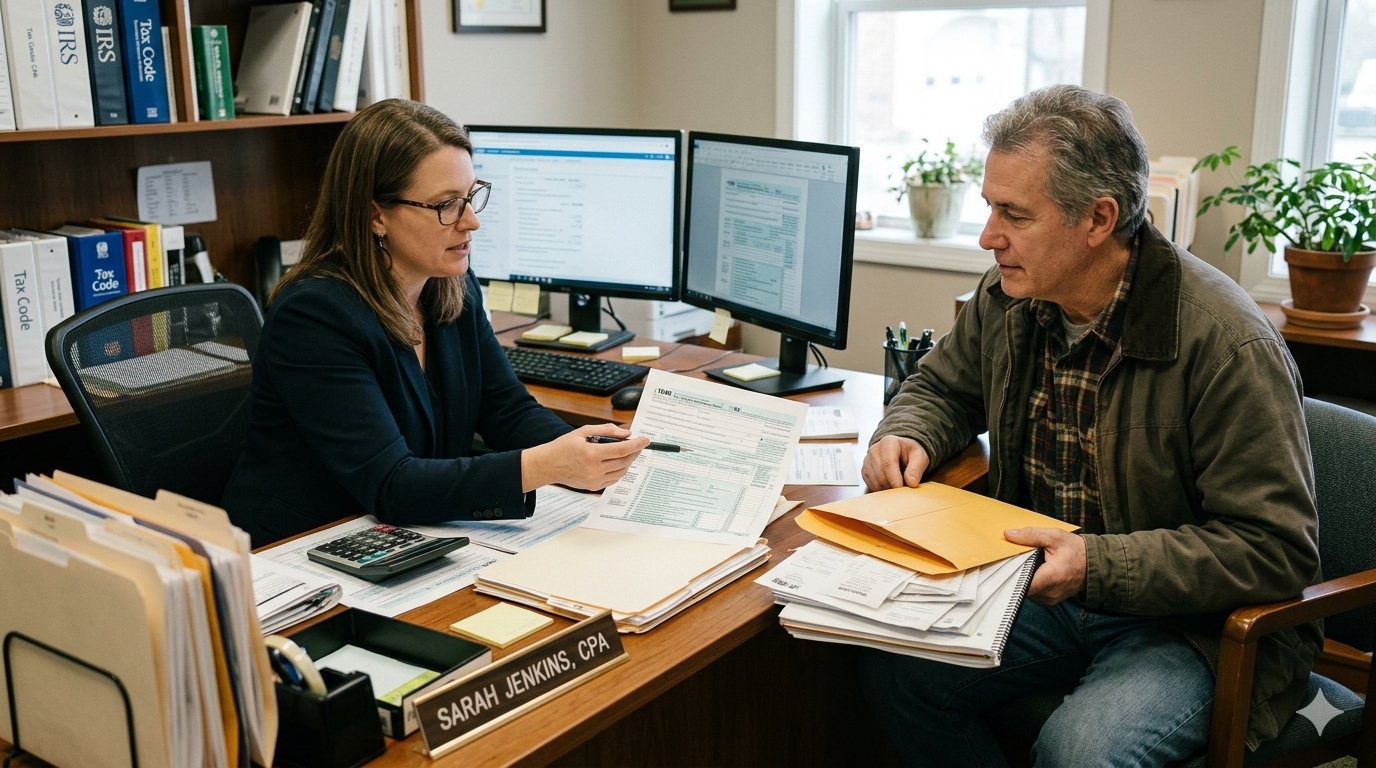
Good records do more than make tax filing easier—they help protect your business. Accurate records can show income, support deductible expenses, track payroll activity, organize receipts, and give you a clearer picture of how your business is performing. Without reliable records, even legitimate deductions may be harder to claim with confidence.
Business owners should keep documentation for purchases, sales, payroll, mileage, contractor payments, bank activity, invoices, and other transactions that affect taxes. The IRS expects taxpayers to be able to support the income and deductions reported on their returns, so waiting until the last minute to organize records can create unnecessary risk.
Helpful records to keep organized include:
- Receipts and invoices for business expenses
- Bank and credit card statements
- Payroll and contractor payment records
- Mileage logs and vehicle expense documentation
- Sales records, deposits, and income reports
- Prior-year tax returns and estimated tax payment records
If your records are scattered, incomplete, or stressful to manage, now is the time to get organized. Reach out today for help setting up a tax-ready recordkeeping system that supports your business and gives you confidence at filing time.
